How to white label design services: a guide for agencies
TABLE OF CONTENTS
TL;DR
- ✅ White label the repeatable work (social graphics, ad sets, landing pages from approved wireframes) and keep discovery, positioning and sign-off yourself.
- 💰 Price for margin, not markup. A 100% markup is only a 50% margin. Reselling a $699 plan to one client at 2x leaves about 14% once your own time is counted.
- 📊 Size the plan to the work. One ManyPixels daily output works out to roughly 21 outputs a month, and revisions come out of the same capacity.
- ⚠️ Get the IP assignment in writing. Under US law, most design work can't be "work for hire" from a contractor, so a signed assignment matters.
- ❌ Never cancel to save money between clients. Cancelling a ManyPixels plan deletes every file. Pausing costs $10 a month and keeps them.
Introduction
Your clients want more design than your team can turn around. Hiring another designer is a big fixed cost, and freelancers come and go. So you're looking at how to white label design services: getting the production done by a partner while the work still goes out under your agency's name.
Plenty of agencies already do this. The harder part is doing it profitably. In Productive's 2025 Agency Industry Report, 59% of agencies grew revenue but only 31% improved their margins, and fewer than half run above a 10% margin. White label design can widen that margin or quietly eat it, depending on how you set it up and price it.
This guide covers the setup, the pricing math, capacity, file ownership and the mistakes we see agencies make. It's written from the production side: ManyPixels has been the design team behind agencies' client work since 2018.
What does it mean to white label design services?
White label design services means an outside design team produces work that your agency delivers to clients as its own. The partner never contacts your client and never puts its name on the files. You own the client relationship, the brief, the quality check and the invoice. The partner handles production in the background.
It's a normal way to run an agency. Deloitte's Global Outsourcing Survey 2024 found that 50% of executives already outsource front-office functions such as sales, marketing and R&D, and 80% plan to keep or increase their outsourcing spend.
The partner can be a freelancer, a project-based studio or a design subscription. If you're still comparing providers, our roundup of the best white label design services covers pricing and scope for each. This guide is about what happens after you've picked one.
White label is a production arrangement, not a handoff of responsibility: if the work is wrong, it's still your agency's name on it.
Which design work should you white label, and what should you keep?
White label the design work where the inputs are already approved and "done" can be written down before anyone starts: social graphics, ad variations, landing pages from an approved wireframe. Keep anything that needs a judgment call about the client's business: discovery, positioning, messaging and final sign-off.
A useful test, borrowed from Geeks for Growth's guide on what to outsource: can a capable designer finish the job without making a decision on the client's behalf? If not, make that decision first, then hand the work over.
we've compared white label logo design services separately.
How to white label design services in 6 steps
Here's the setup we see working for agencies, from the first test project to the first client delivery.
1. Choose the production model
There are three options. Freelancers are cheapest per hour (Upwork lists $15 to $35 an hour as typical for graphic designers), but you manage each one and they leave between projects. Project-based studios quote job by job, which makes margins hard to predict. Design subscriptions charge a flat monthly fee for ongoing work, which suits agencies with steady volume across several clients.
Bottomline: if your design work is lumpy and occasional, use freelancers. If it's steady every week, a subscription is easier to price and resell. Read our comparison of in-house vs freelancers vs design subscription for the full financial breakdown.
2. Run a paid pilot on real work
Don't test a partner with a throwaway request. Give them two weeks of a real client's backlog, with written pass criteria: on brand, on time, files correct, revisions under control. Most of what you need to know shows up in the second and third revision rounds, not the first draft.
3. Set up one brand profile per client
Upload each client's logo files, fonts, colors and guidelines once, as a separate brand. Every request then gets tagged to the right client and the right assets. ManyPixels supports unlimited brands on every plan, so a 10-client agency doesn't pay more than a 2-client one.
4. Sort out the NDA and the IP assignment
Ask for an NDA before you share client material, and get written confirmation that ownership of the files transfers to you. Then make sure your own client contract passes those rights on to the client. The ownership section below explains why "work for hire" wording alone often isn't enough.
5. Build intake and QA
Clients rarely write good briefs. Have them fill in your own intake form, then turn it into a production brief yourself (here's how to write a design brief that a designer can work from). Name one person on your side who approves work, and review everything before the client sees it.
With ManyPixels, a project manager and a quality controller check work before it reaches you. That's a useful first filter, not a replacement for your own review against the client's expectations.
6. Deliver under your brand
Move finished files into your own client folders or portal, with your naming conventions. The client should never see the partner's platform or be copied on a message to it. If your team wants a designer on hand during working hours, ManyPixels' Assigned Designer and Design Team plans include a dedicated Slack channel.
How much should you charge for white label design?
Charge for the deliverables or the retainer, not a markup on your partner's fee. Add up the partner's cost and your own team's time, then price for the margin you need. The White Label Agency suggests a 130% to 150% markup on creative work, which works out to a margin of roughly 57% to 60%.
The trap is mixing up markup and margin. Markup is calculated on cost, margin on the selling price. A 100% markup gives you a 50% margin. A 50% markup gives you only 33%.
Here's what that looks like on a real plan. Say you run three clients' social and ad design through ManyPixels' Advanced plan, and your account manager spends about 10 hours a month briefing and reviewing that work.
The last row is the mistake: pricing off the subscription fee hides the hours your own team puts in, and those hours are where white label margins disappear.
Don't put the partner's plan on client invoices either. Cloud Campaign makes the same point about reselling platforms: itemizing what you buy invites clients to compare prices, when what they're actually buying is the result. Price the retainer around deliverables ("20 social graphics and 2 ad sets a month") and keep your cost of production to yourself.
If the client is weighing you against an in-house hire, the numbers help. The US Bureau of Labor Statistics puts the median graphic designer salary at $62,960 (May 2025), about $5,247 a month before taxes, benefits and software. For a fuller cost picture, see our comparison of a design subscription vs agency retainer.
How many clients can one design subscription support?
One design subscription can support as many clients as its capacity covers, not as many as its brand limit allows. On ManyPixels' Advanced plan, one daily output over roughly 21 business days is about 21 outputs a month. A typical output is 2 to 3 social graphics, so the ceiling is roughly 42 to 63 graphics, with revisions included.
That ceiling assumes every request is simple and nothing needs another pass. In practice, revisions come out of the same daily output, and a landing page or a brand identity takes several days of it. Plan your client commitments well below the ceiling.
Prices are approximate and change. Check manypixels.co for current pricing. If the daily output model is new to you, here's how unlimited design works in practice.
💡 For agencies, we usually see the designer plans work better than the queue plans once you pass three or four active clients. A designer who already knows every brand needs less briefing, and that saves your team's time, which is the cost line in the table above.
Who owns the files when you white label design?
Your agency owns the files only if the partner transfers ownership to you in writing, and your client owns them only if your contract passes that ownership on. "Work for hire" wording isn't enough by itself. Under US copyright law, work from an outside contractor only counts as work for hire in nine specific categories, and most design work isn't in them.
The US Copyright Office's Circular 30 lists those categories. They include contributions to a collective work, parts of an audiovisual work and instructional texts, among others, and also require a written agreement signed by both parties. A logo or a set of social graphics usually doesn't qualify, so without a written assignment the copyright can stay with whoever created it.
In practice, check three things:
- The partner's terms say copyright and IP transfer to you on delivery.
- You get native source files, not just exports, so the client can edit the work later.
- Your client contract assigns those rights to the client, usually once they've paid.
ManyPixels transfers full copyright and IP on delivery and includes native source files (Adobe, Figma, Canva) along with PNG, JPEG, SVG and PDF exports. You can also decide whether we can publish the work done for you (or your clients) on our website and social media or not.
We're not lawyers, so don’t treat any of the above as legal advice. If a client contract has unusual IP terms, have a lawyer read it.
Do you have to tell clients you use a white label partner?
Usually no. White labeling is standard practice, and there's no general rule that you have to name your production partner. But check two things first. Some client contracts ban subcontracting or require approval for it, and an NDA you signed may limit sharing client material with third parties.
If a client asks directly, don't lie. A plain answer works: "We run strategy, art direction and quality control in house, and work with a dedicated production team for execution." Most clients care that the work is good and on time, not whose desk it was made at.
The risk isn't being found out. The risk is your contract saying one thing while your process does another.
Five mistakes that eat white label margins
These are the patterns we see most often when agencies come to us after a first white label setup didn't work out.
- Selling scope your plan doesn't cover. For example, an agency on ManyPixels' Advanced plan can't resell video editing or motion graphics; those start on the Business plan at $1,199. Check the tier before you promise a client a deliverable, not after.
- Treating markup as margin. A 50% markup sounds healthy and leaves you a 33% margin, before your own team's time.
- Promising more volume than the capacity covers. Unlimited requests don't mean unlimited output at once. When three clients each expect "a few things this week", you get scope creep across the whole plan. Write volumes into each retainer.
- Letting the client talk to the production team. Once a client messages the designer directly, your agency stops being the source of the work. Keep every request routed through you.
- Cancelling between clients. Cancelling a subscription usually deletes all requests and files permanently. If you lose a client and want to scale down, ManyPixels allows you to pause for $10 a month instead, and keep a copy of every final file in your own storage either way.
What agencies actually send us
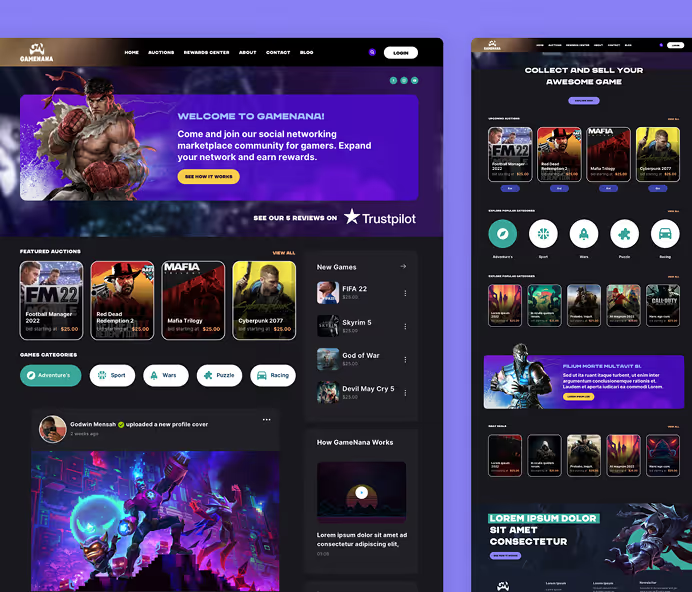
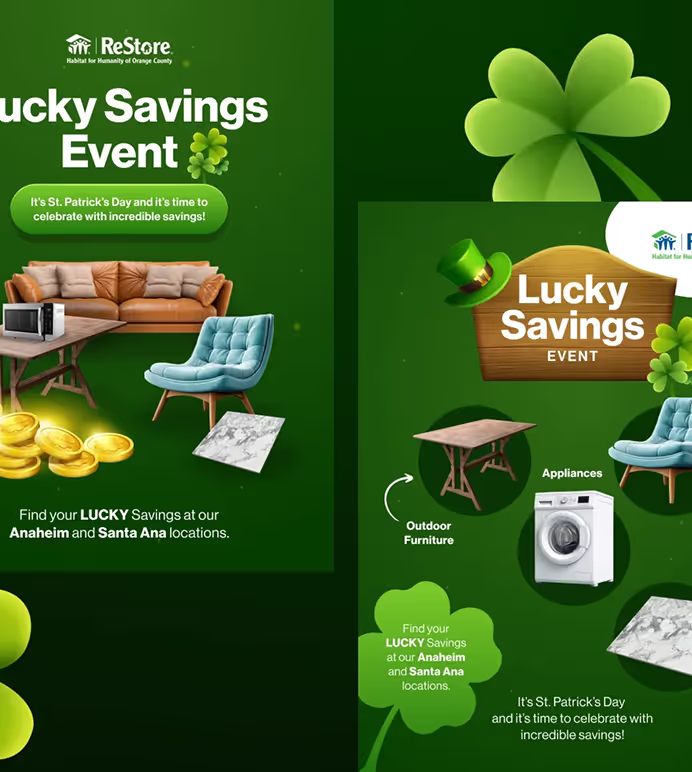
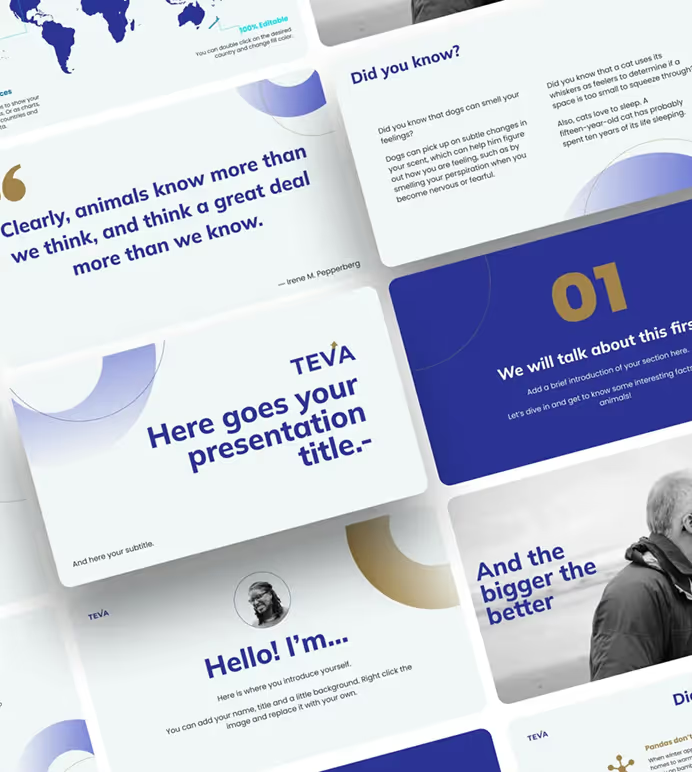
Here's a sample of agency work that went out under the agency's brand, not ours.
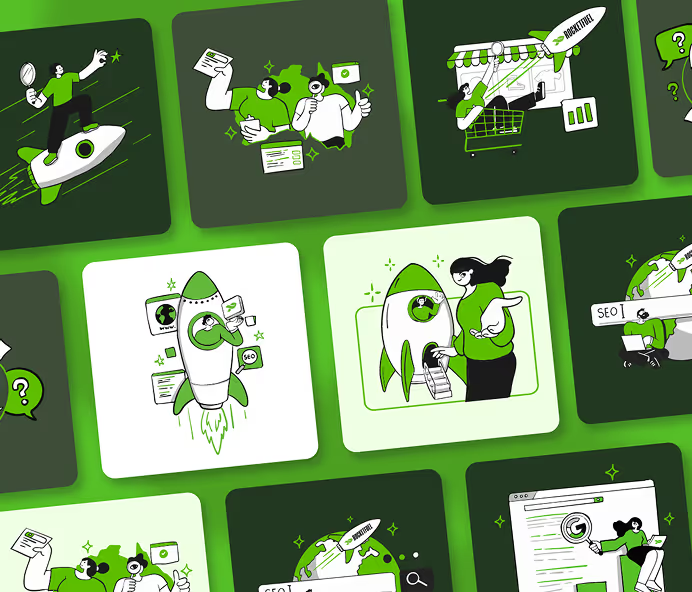
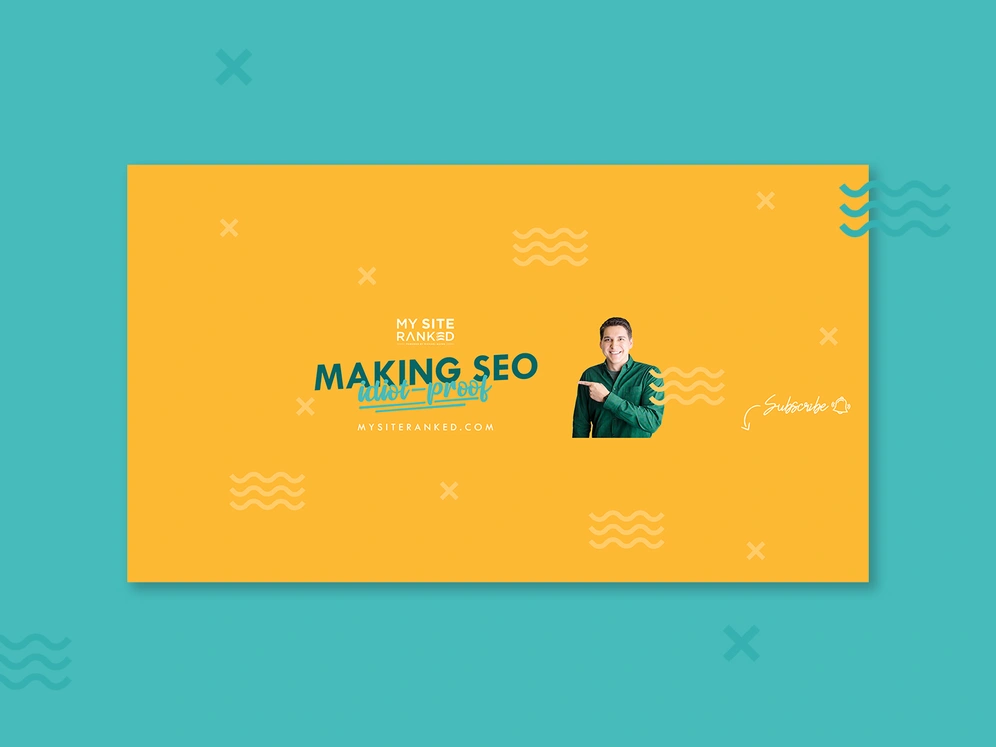
Social media graphics for an SEO agency. Michael Quinn runs My Site Ranked. Our designers used bright colors and a photo of Michael himself, so prospects remember the face behind the brand.
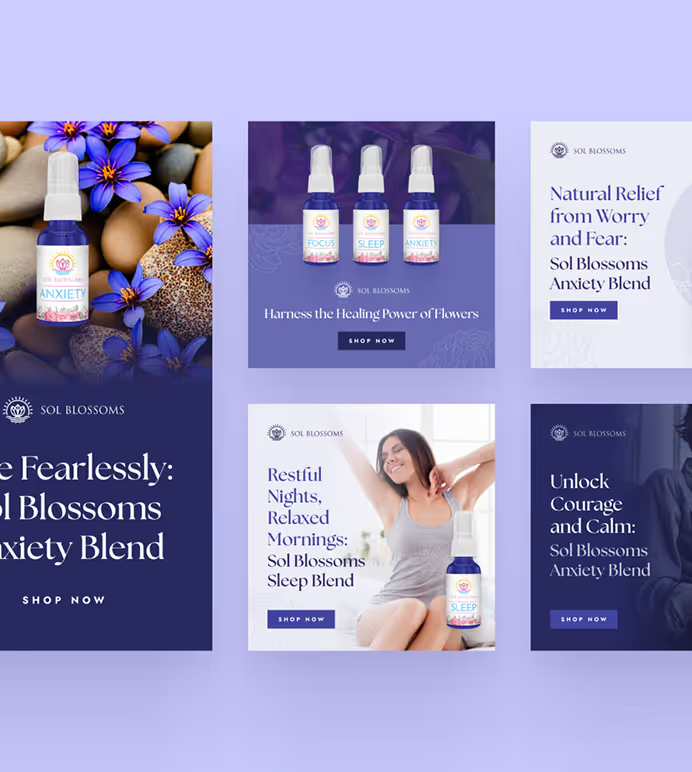
Display ads for a content agency. Codeless is a content production agency and a long-term ManyPixels client. Its ad sets come from us, so the team can stay focused on client content. Brad Smith, CEO and Founder of Codeless Interactive, has run 277+ design requests through ManyPixels.
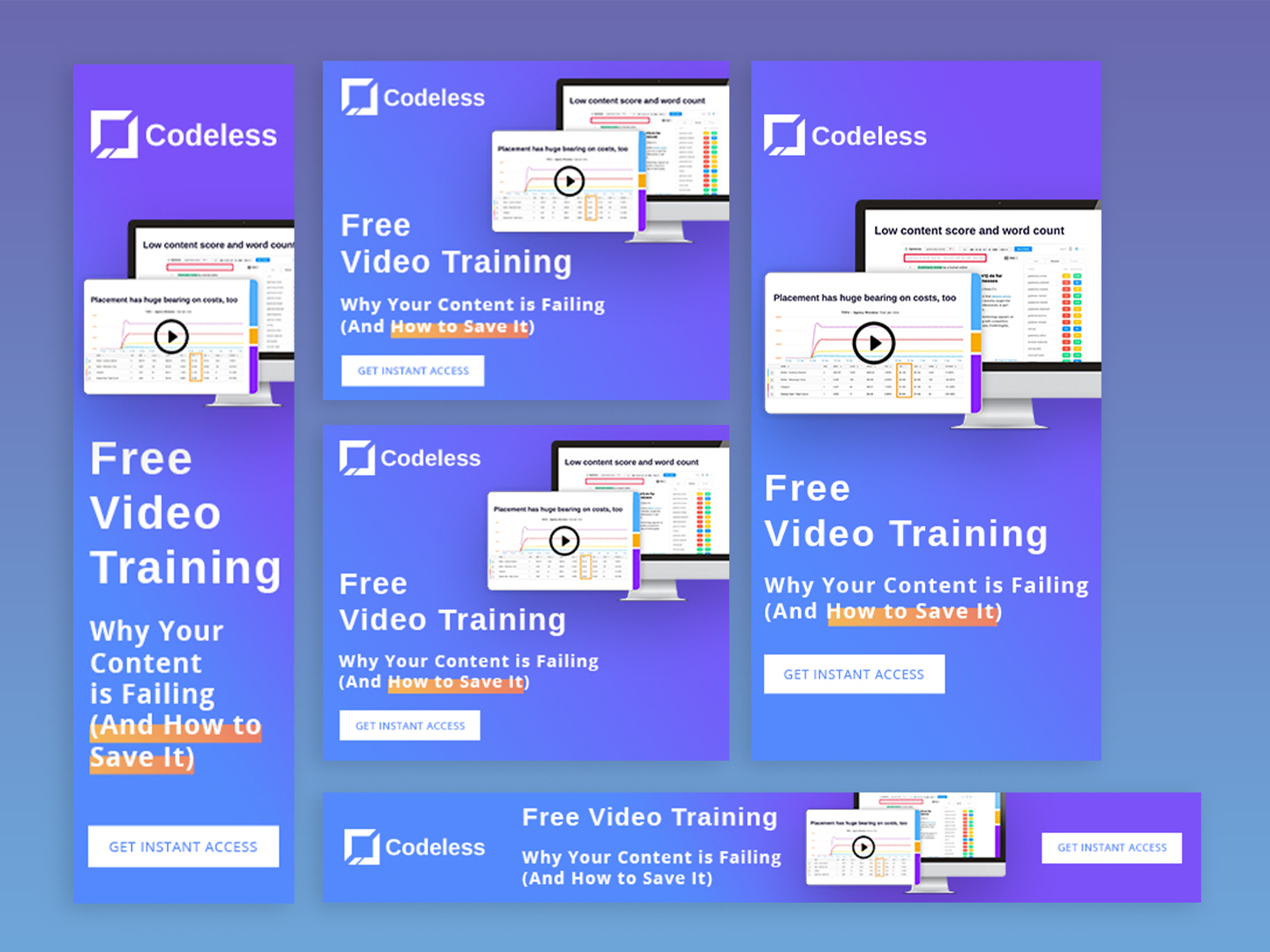
ManyPixels has been really helpful even in just being able to come up with concepts and ideas. Even if it's just a Photoshop file that our team can use forward and change things like background or text, the actual design is thought out and consistent, and that's usually helpful. It gives us the raw material to build forward and manage a lot of those things now in-house. Those assets are already created and it makes it a lot easier. - Brad Smith, Founder @Codeless
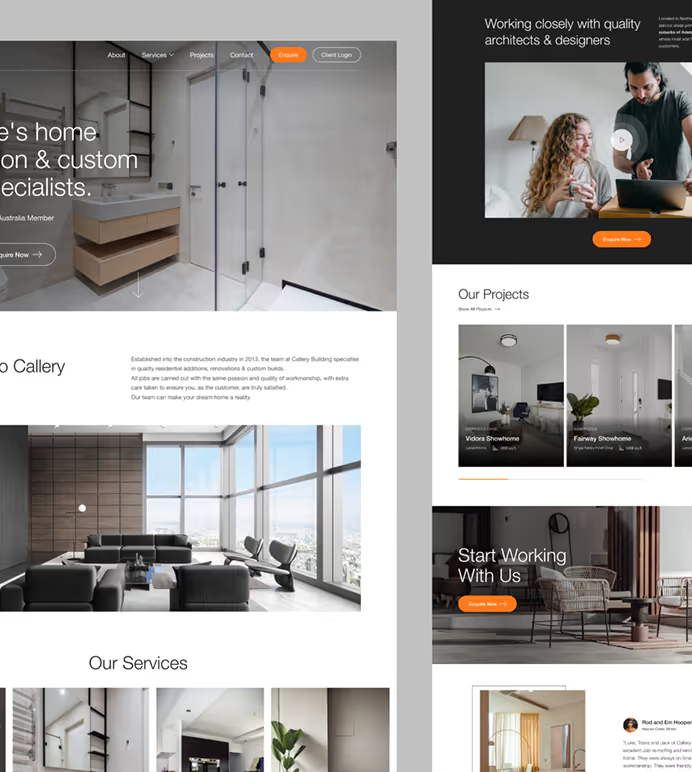
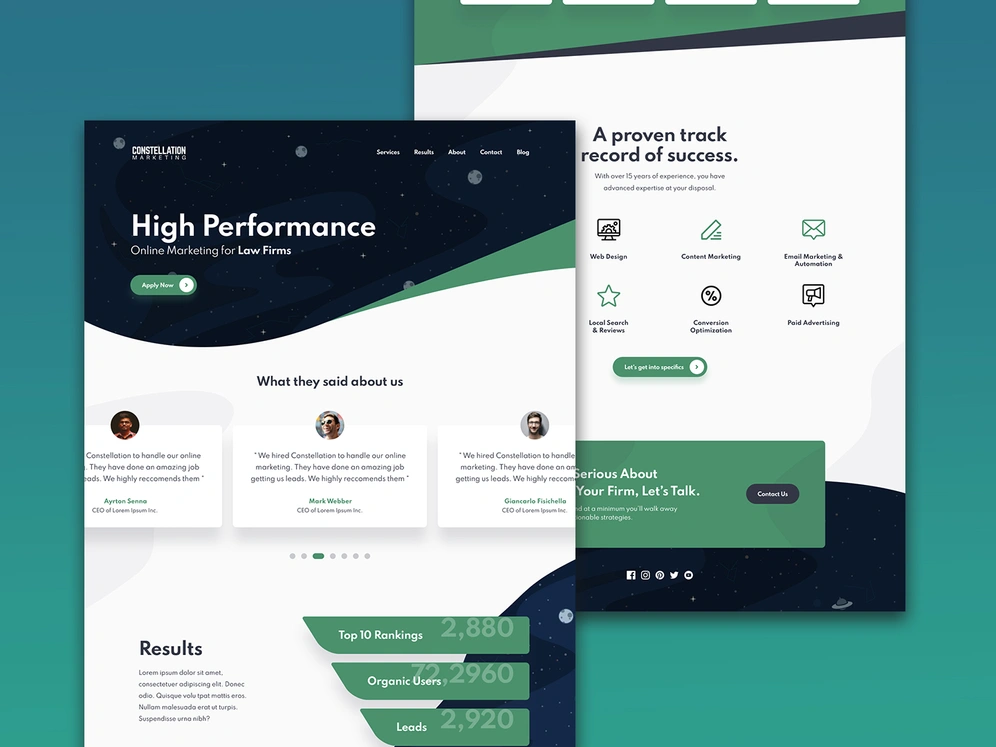
A website for a marketing agency that serves law firms. The challenge was balancing the agency's own marketing voice with what its law firm clients expect to see.
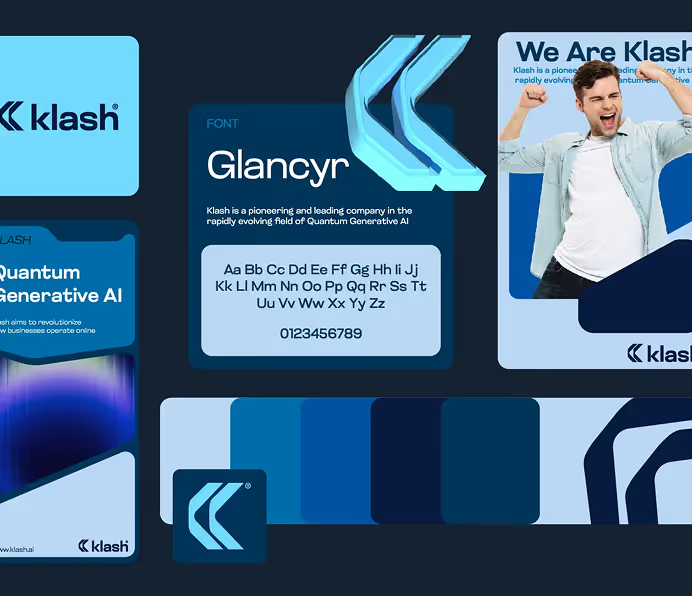
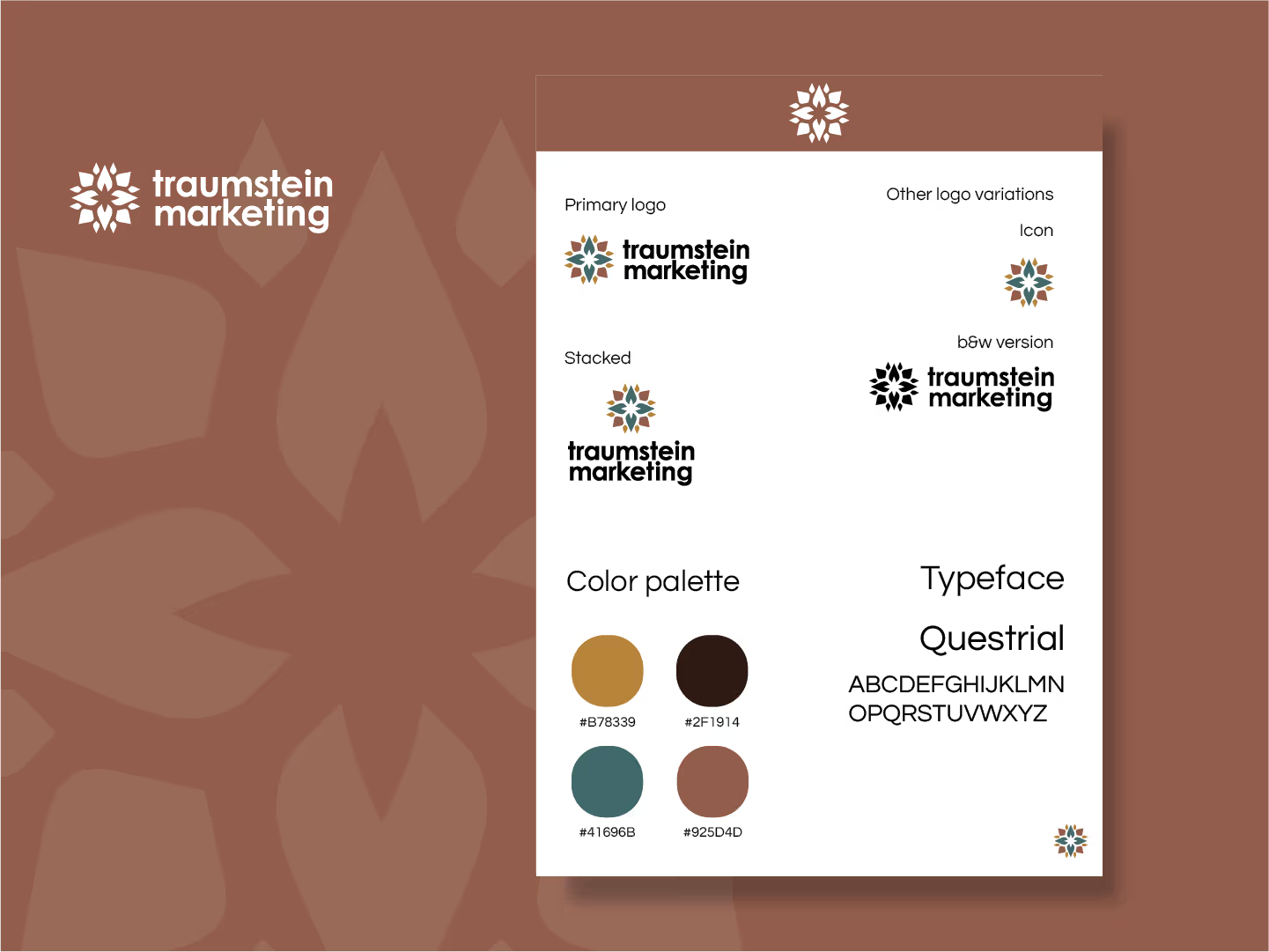
Brand identity for an agency's own brand. White label partners aren't only for client work. This logo system and palette was for a marketing agency's own rebrand.
For a taste of what our designers can do, take a look at our work, or a book 1:1 demo to see if our capabilities match your needs.
FAQs
Bottom line
White labeling design services works when you keep the thinking and outsource the production. Price your retainers around deliverables, count your own team's time as a cost, and only sell what your partner's capacity can deliver.
👉 If you're setting up a white label design partner, ManyPixels plans start at $699 a month, with unlimited brands, full IP transfer and a $10 pause when a client goes quiet. Explore ManyPixels plans.
{{GRAPHIC_BANNER="/dev/components"}}

Having lived and studied in London and Berlin, I'm back in native Serbia, working remotely and writing short stories and plays in my free time. With previous experience in the nonprofit sector, I'm currently writing about the universal language of good graphic design. I make mix CDs and my playlists are almost exclusively 1960s.

Top-quality designers
A complete creative team at your fingertips: graphic designers, illustrators, motion designers and more.

Lightning-fast turnaround
Get started today and receive your first update on the next business day.

All-inclusive pricing
Unlimited requests and revisions. One flat monthly fee. No surprises.

Flexible & scalable model
No contract. Scale up and down as needed. Pause or cancel anytime.
Continue reading


Explore some of our best designs
Get inspired by a curated selection of ManyPixels work. Download the portfolio to see what our team can create.